
Starter thermal
Useful for closer pest control, scanning around buildings and buyers moving up from lamping or night vision.
Budget guide
Thermal budget should be tied to sensor, lens, NETD, LRF needs and realistic identification distance, not headline detection range alone.
Budget bands
Use budget as a filter, then confirm fit, use case and accessories before checkout.
Useful for closer pest control, scanning around buildings and buyers moving up from lamping or night vision.
A stronger range for rabbit and fox work where lens size, battery and image detail start to matter more.
Consider this band when LRF, higher resolution, better NETD and longer fields are central to the job.
Product shortlist
 In stock
UTRACK
The World's First Thermal AR Glasses For hunting, fishing and more.
 In stock
Guide
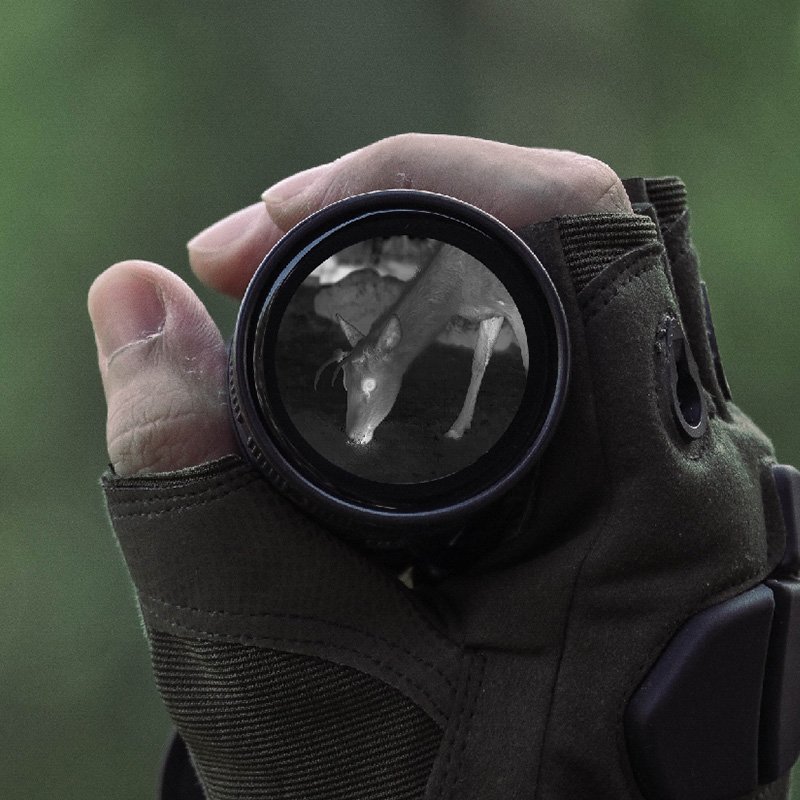
The Guide TE211M Handheld Mini Thermal Imaging Monocular is your compact and reliable night vision solution. Designed with a 256×192 infrared detector
 In stock
Senopex
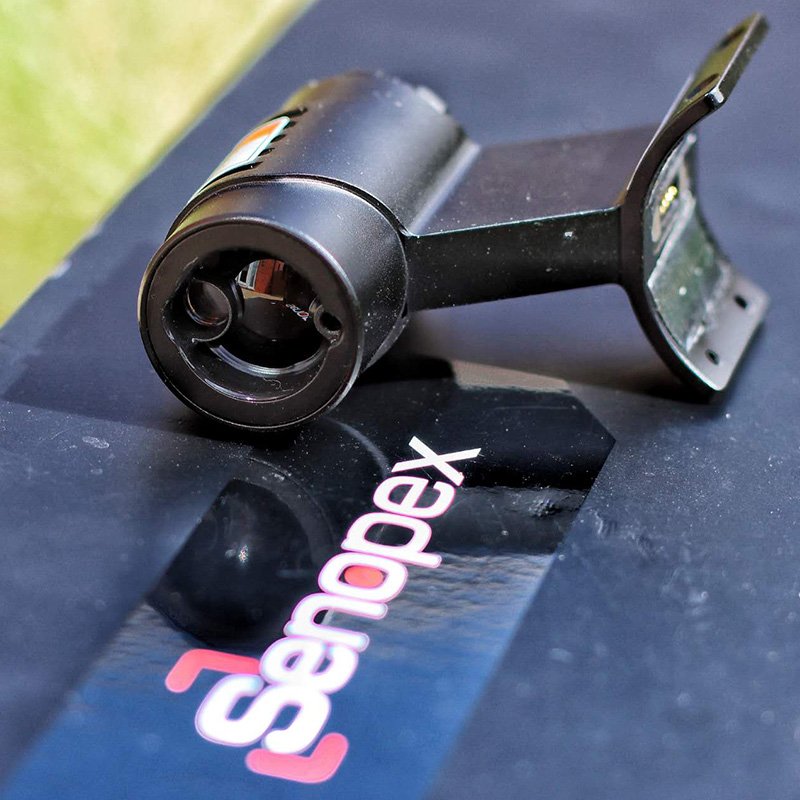
The Senopex LRF Module is suitable for the Senopex REX series. The Senopex LRF module supports laser ranging, with a range of 1000/1200 meters per yar
 In stock
Nocpix
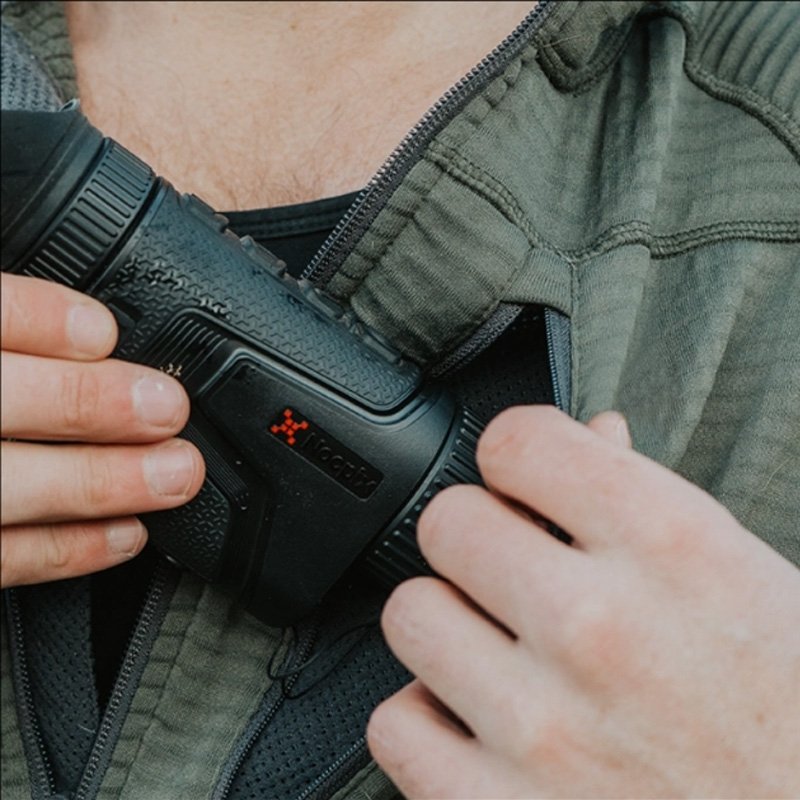
The NocPix Lumi P13 thermal monocular is designed in a compact, lightweight format, providing high-quality thermal imaging performance. The NocPix Lum
 Out of stock
InfiRay
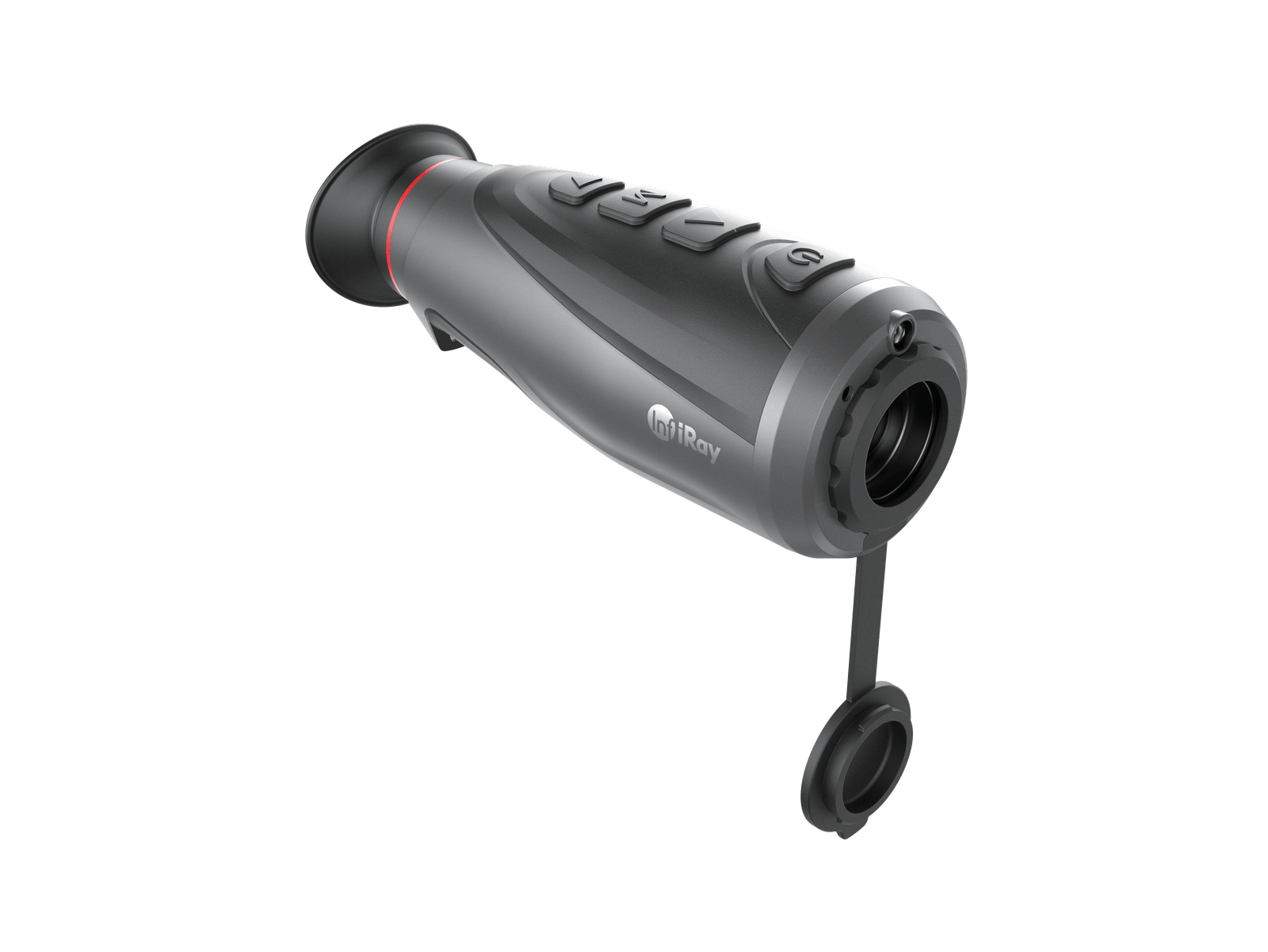
12μm self-developed detector High image quality Lightweight and compact Stadiametric rangefinder Long detection distance
 In stock
Pard
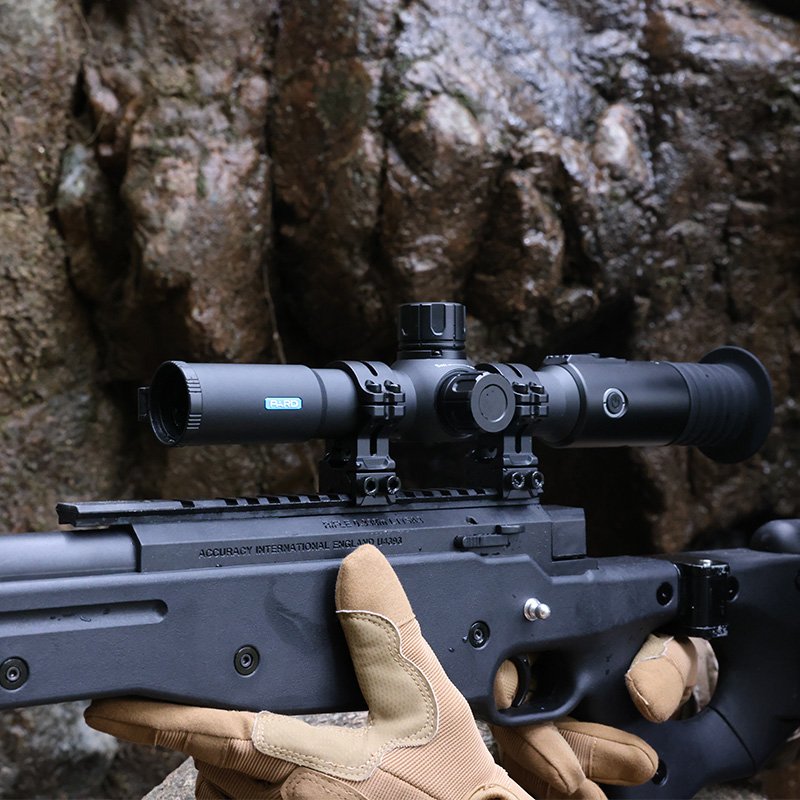
The lowest-priced thermal rifle scope in the UK!! The New PARD Pantera 256 Q is a thermal rifle scope designed for precision, clarity, and superior pe
 In stock
Pard
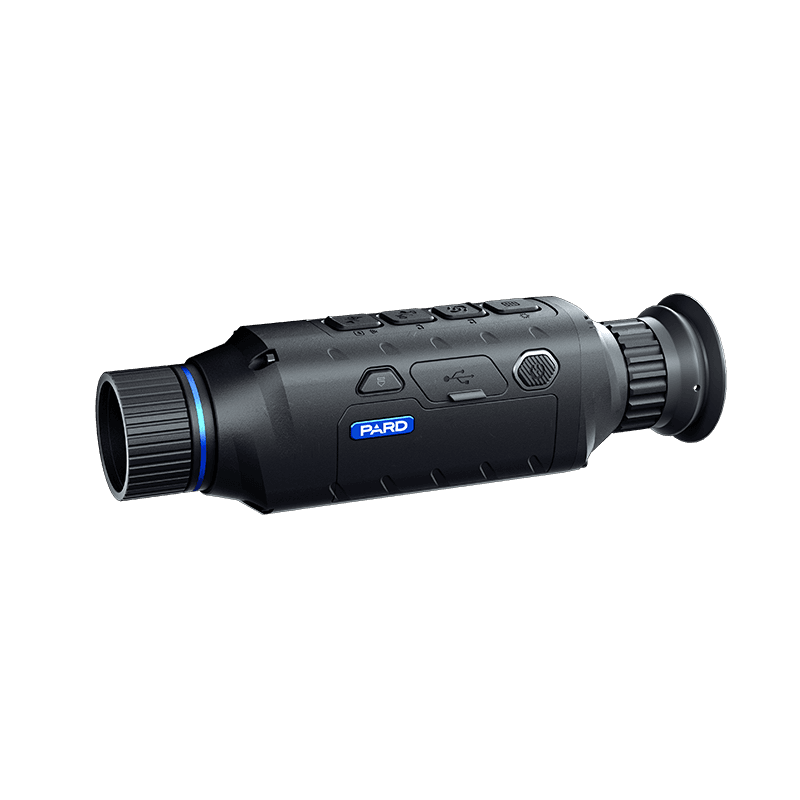
PARD Leopard 256-16 Thermal Monocular is a super compact monocular, tiny but powerful, and completely fits in the palm of your hand. PARD Leopard 256-
 In stock
ThermTec
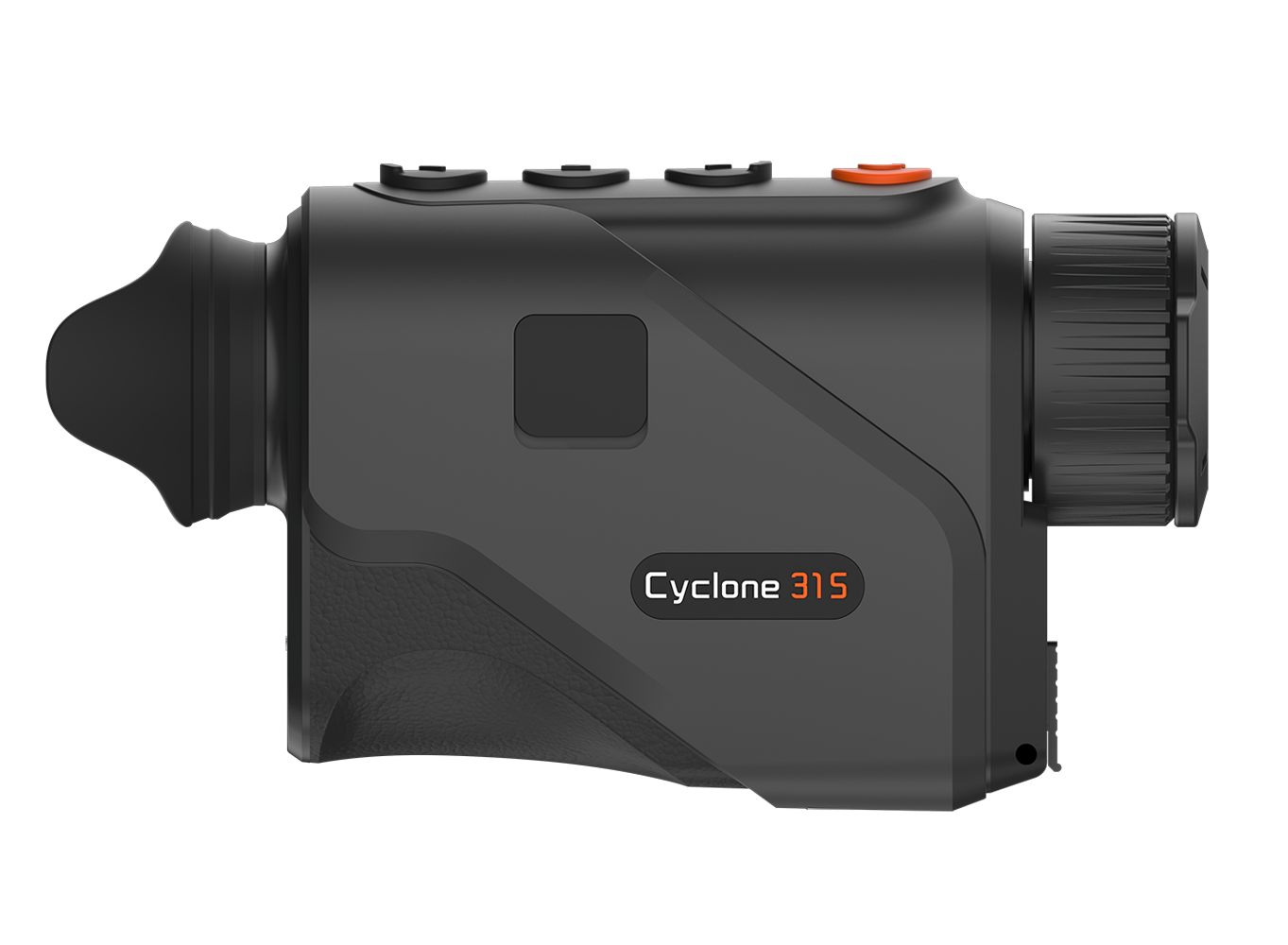
【High-Definition Thermal Core】 Features a high-sensitivity NETD <20mK detector that delivers excellent, sharp image clarity even in challenging enviro
 In stock
DNT
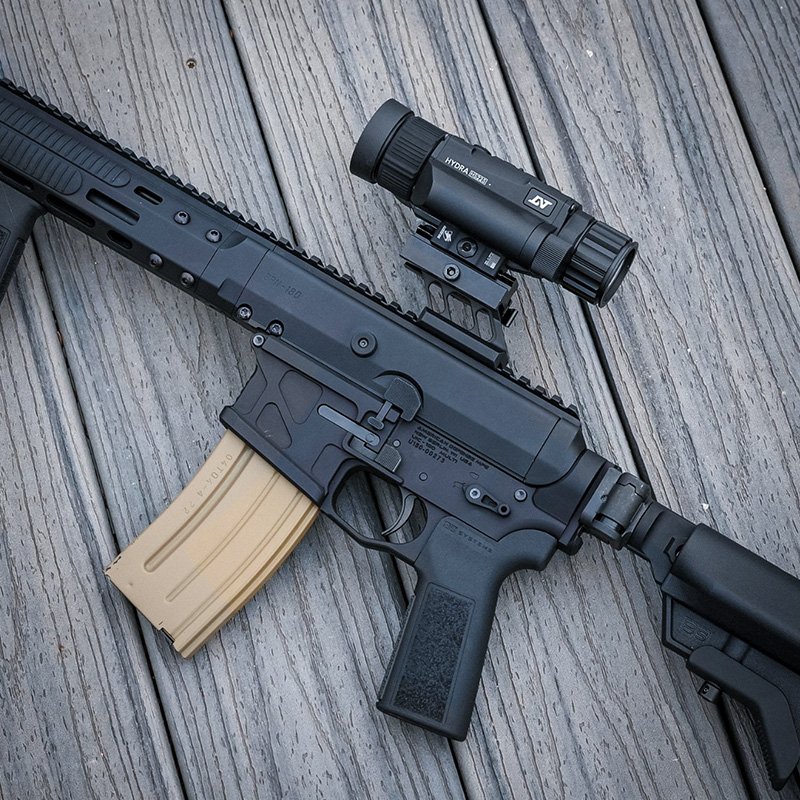
The DNT Hydra HS225 thermal scope is equipped with a 12μm ≤25mk 256x192 pixels thermal sensor for ultra-clear thermal images, and DNT's proprietary Su
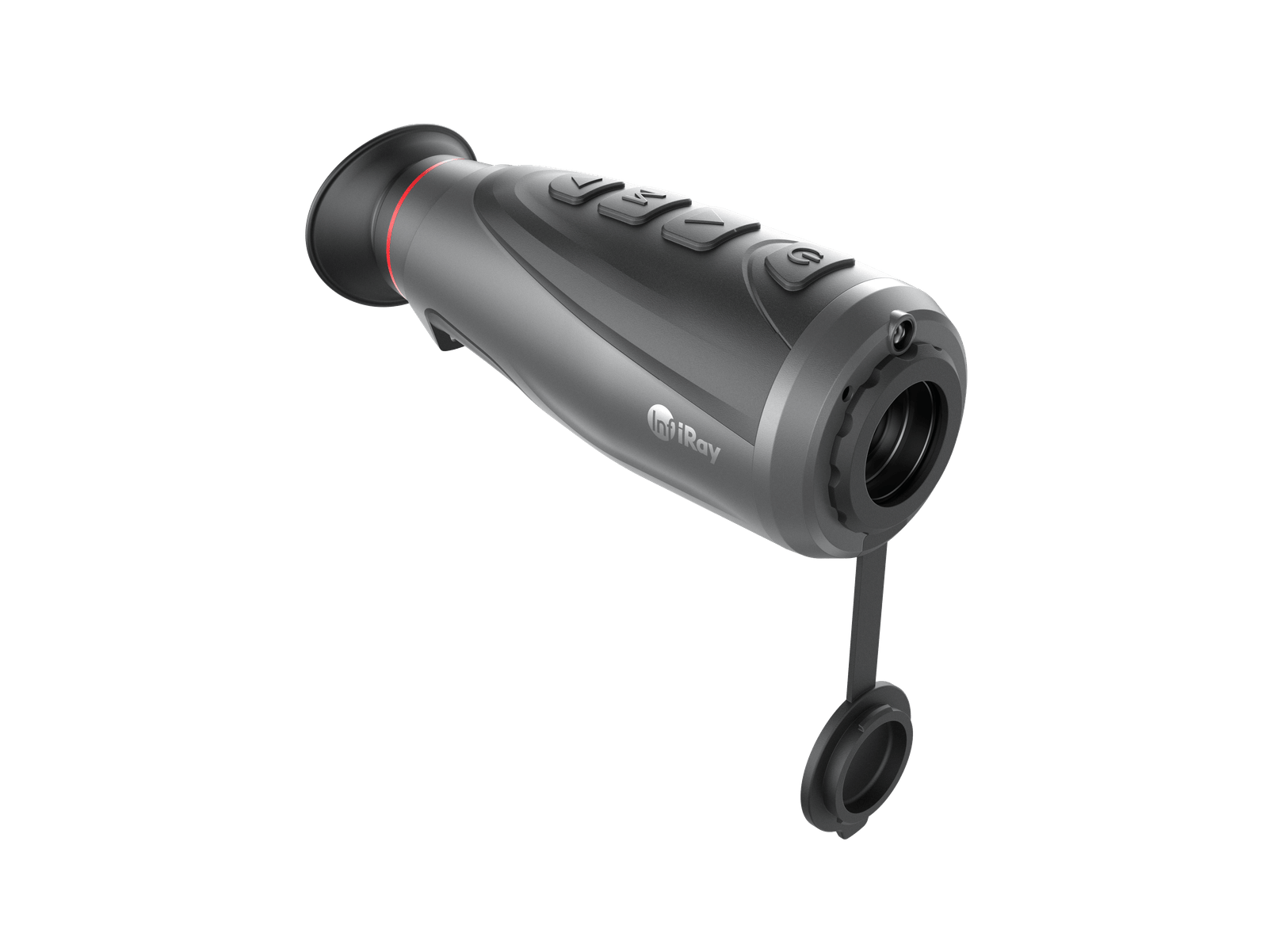 Out of stock
InfiRay
12μm self-developed detector High image quality Lightweight and compact Stadiametric rangefinder Long detection distance
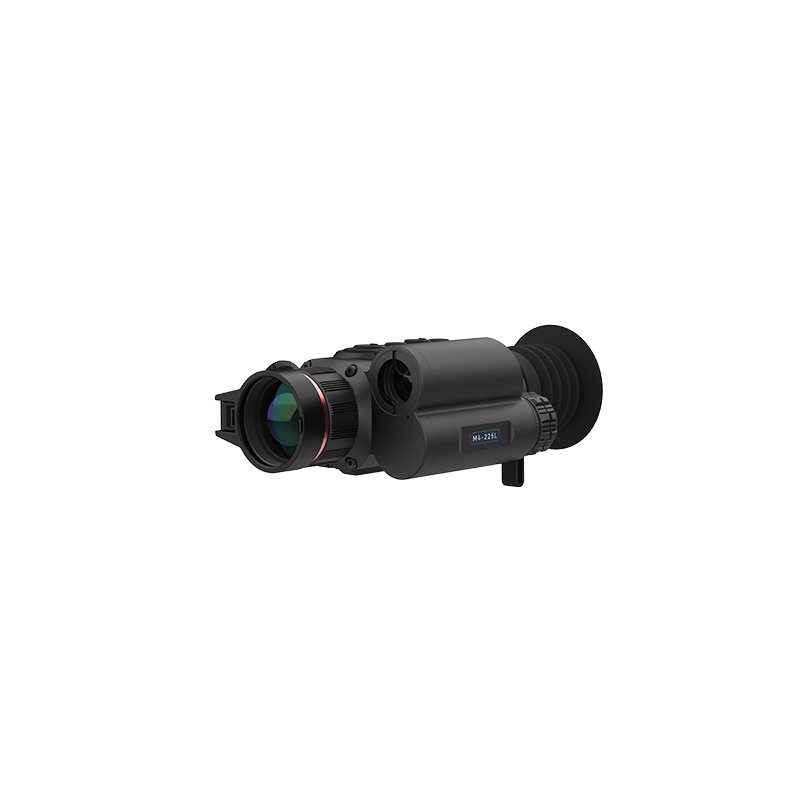 In stock
Falcon
12μm,256x192 Detector; 25mm Germanium Lens; 1024x768 High-Definition Display; 18650/3500mAh Battery with up to 8h Runtime; Laser Rangefinder up to 100
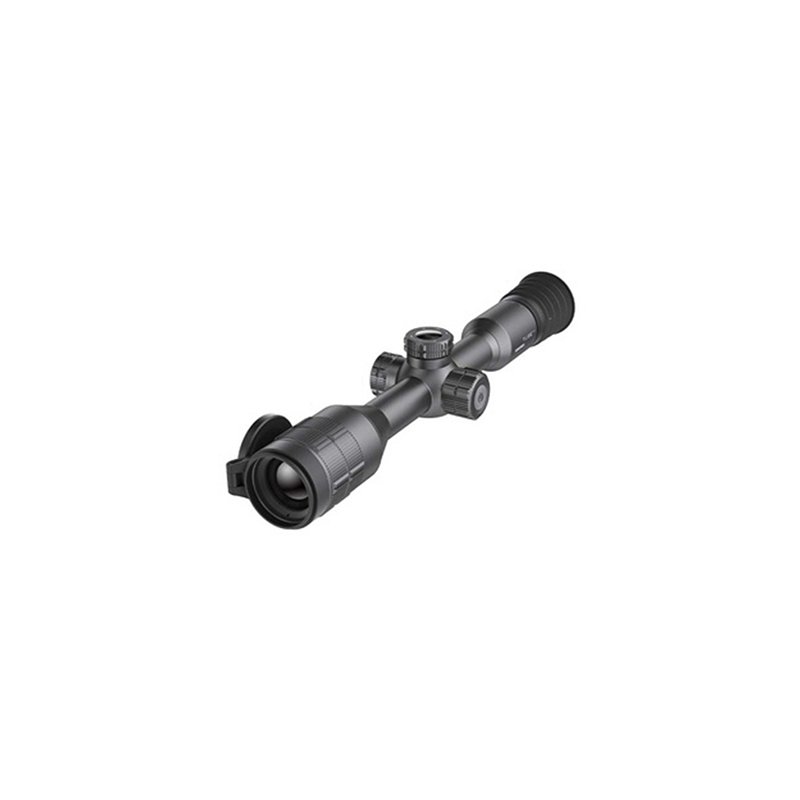 Out of stock
InfiRay
The Infiray TD70L V2.0 Tube 70mm Digital Night Vision Scope, is engineered to elevate your nighttime hunting and shooting experience with unmatched cl
Sensor resolution, pixel pitch, objective lens and NETD work together. A single number rarely tells the full story.
For farm security, handheld scanning may matter. For rifle-mounted foxing, mounting, eye relief, battery and LRF can be decisive.
Buying questions
Short answers for buyers comparing optics before payment.
Thermal is strong for detection because it reads heat. Night vision can show more familiar visible detail when IR and conditions are right.
NETD relates to thermal sensitivity. Lower values can help image separation, but lens, sensor and processing still matter.
LRF is useful when distance judgment affects safe and accurate use, especially across larger fields.